Building date: 1840
Original use:
Corner structures:
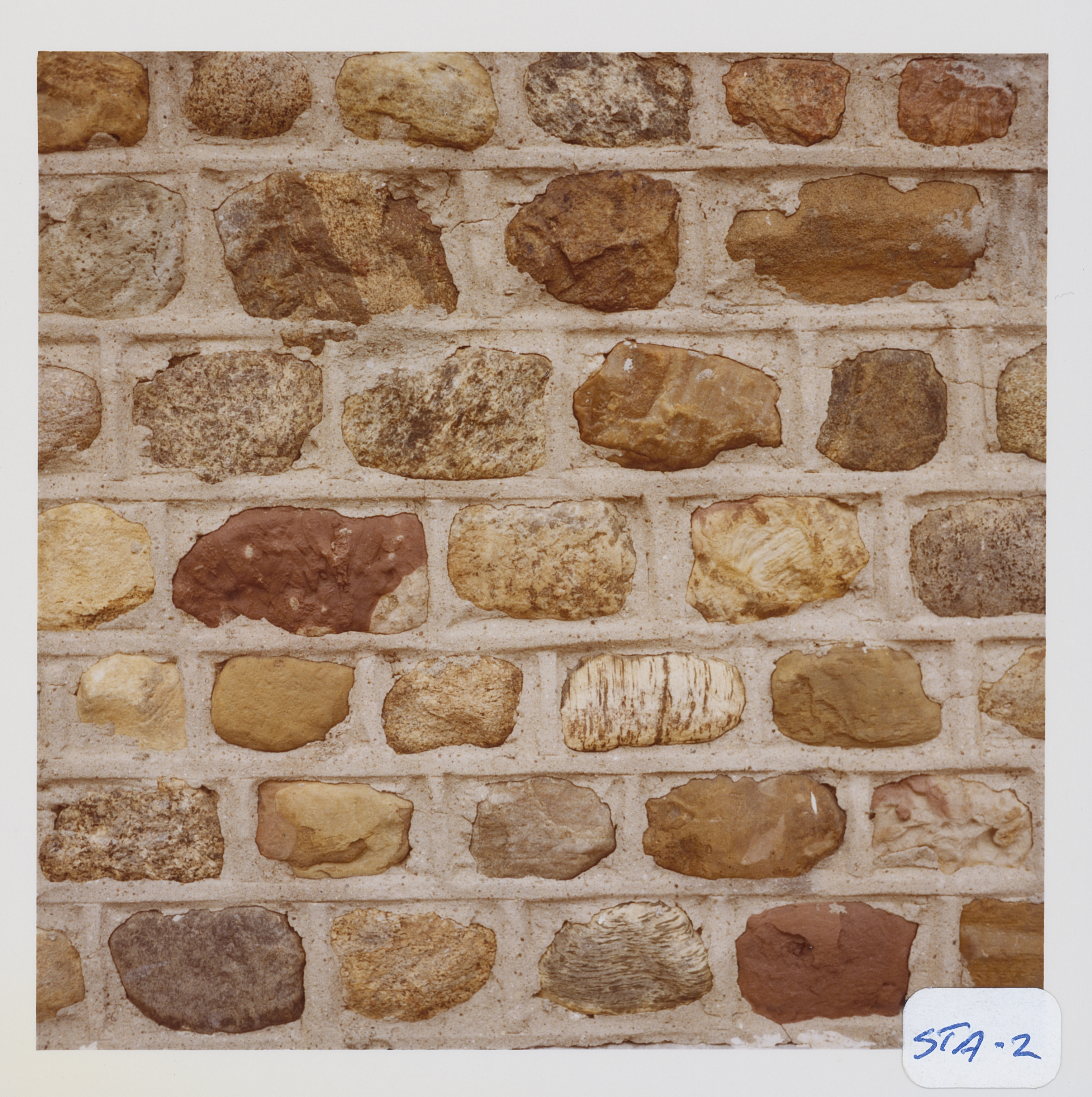
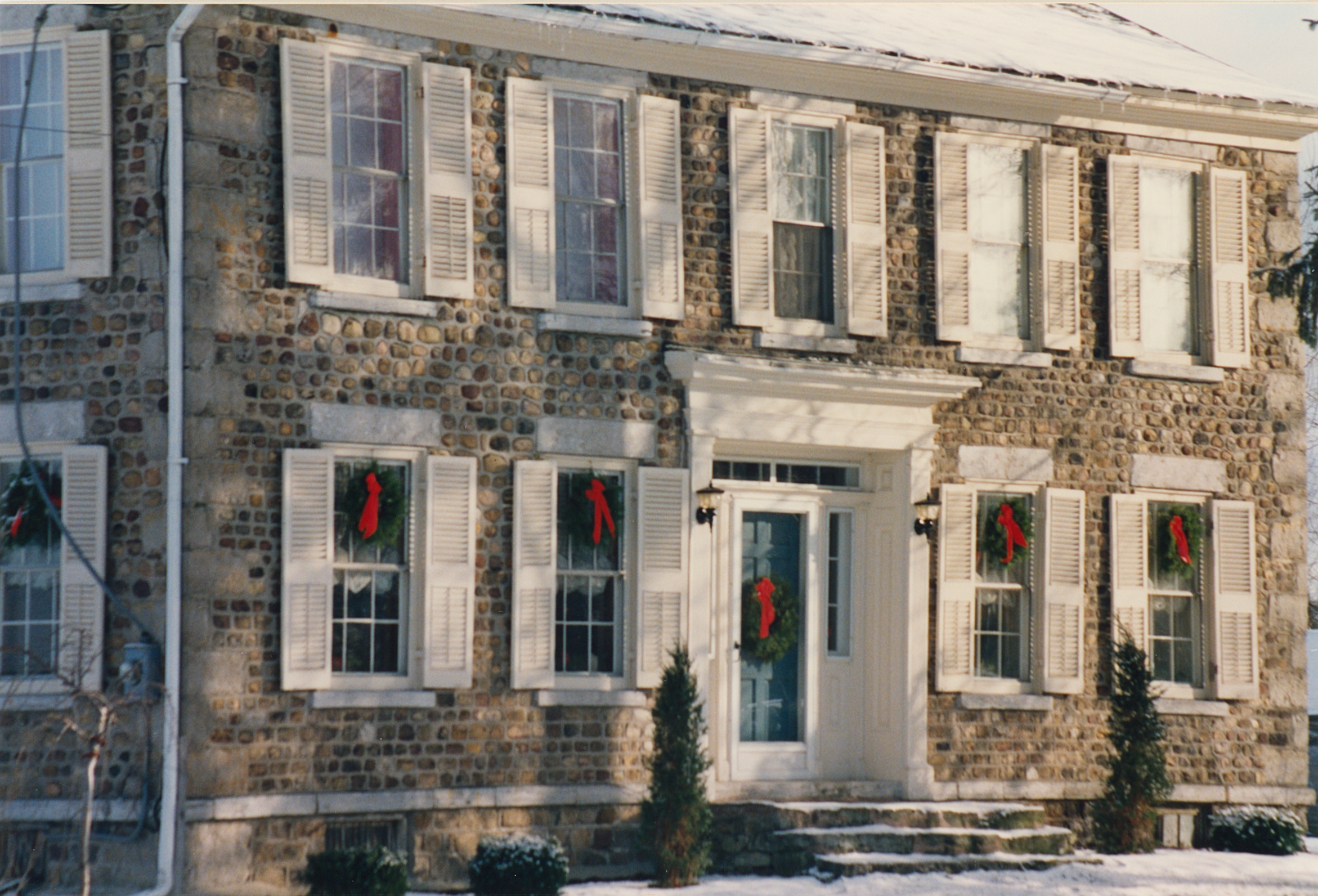
Mortar application and content: Grouted. Raised mortar flat at outer surface.
Types and uses of stones:
Types and choice of windows:
Structures with similar masonry details:
Masons who worked on building:
Unique features: Raised mortar flat at outer surface.
Map views courtesy Google Maps. Google Maps street level view is somewhat blocked by dense vegetation. Address is Google Earth confirmed; 42°57'52.77"N 78°06'48.63"W. Current owner of record, Hanson as of date (YMD) 190410.
Town of Stafford and Genesee County Maps
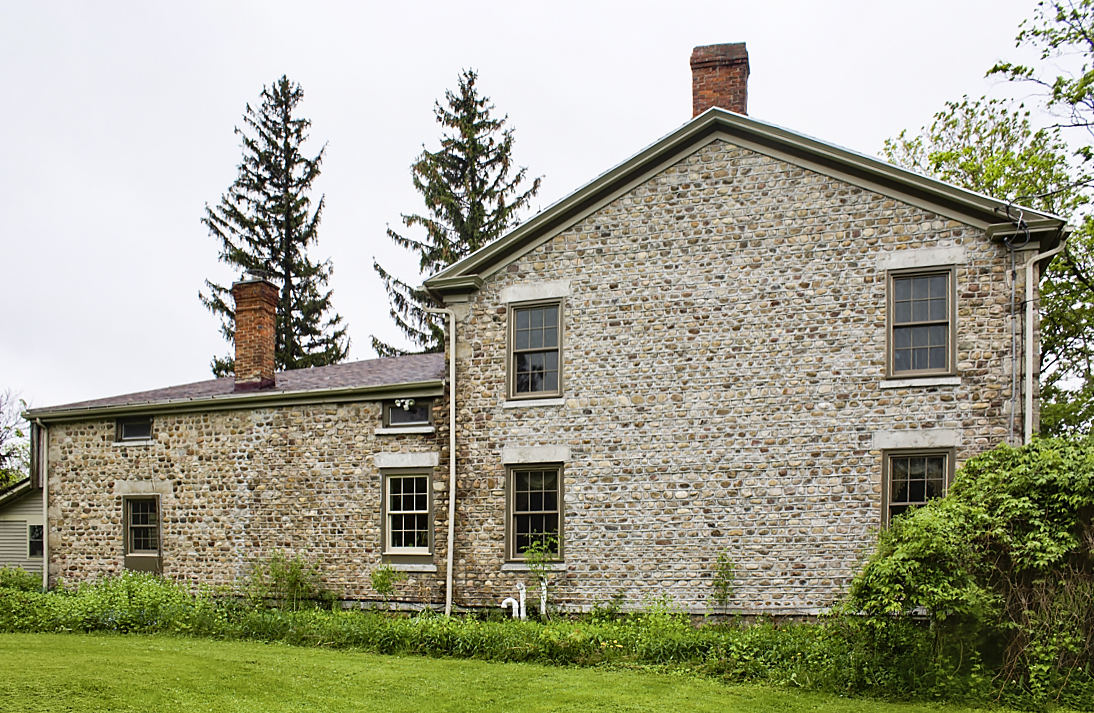
This house at 9295 Fargo Road was built by Giles Minor, a prominent farmer, in 1840. He came here in 1826. He died on February 14, 1883 at the age of 80. Later the house was occupied by his son, Henry Clay Minor, who was the inventor of Minor's patent automatic stanchion for cattle.
Miner - Trietley Home: The other cobblestone house on the east side of Fargo Road and a short distance south [of the Warren - Hanson Home], was built by Giles Miner, who settled there in 1826 in a log cabin and built the house in 1840. His son, Henry Clay Miner was born there in 1848. He was an inventor and among other things invented "Miner's Automatic Stanchions for Cattle" which were sold locally, but which he never patented. Henry's son is Raymond C. Miner, Sr., owner of Miner's Electric Store in Batavia, who was also born in this house. In the early 1900's the Prentice family lived here for a number of years, and at present Harry Trietley, Business Manager of the Daily News, owns it and resides there. There is also a cobblestone smokehouse and a hitching post on this property, relics of olden times. Courtesy Stafford Sesquicentennial 1820-1970, page 68. Editor's Note: The Stafford Sesquicentennial publication spells the builder's name as Miner; whereas, all other sources state Minor.
5 See Photographs. Detail of design of wall at 9295 Fargo Road. This is a technique called "piping," where as a final step in construction, raised mortar joints are added between the stones. The mortar was applied using a tool made from a piece of pipe cut lengthwise and bent slightly. In this case, the tool had a flat bottom instead of rounded. It is unusual to find this technique employed in the 1840s. It is usually found on a few late-period cobblestone buildings, but continued in use on other masonry (like foundations and chimneys) on late Victorian buildings. This is the only entire house I could find built of this design. "Piping was usually applied to foundations of a much later period. Richard Palmer blog.
"Cobblestone Examples Noted in Genesee Recall Construction Over Century Ago
The Cobblestone Society & Museum Tours:
Minor - Gervais House 14th Annual 06/01/1974
- "Cobblestone Masonry", 1966, Carl Schmidt: Name reference, Minor - Trietley House
- Page 28
- "The Era of Cobblestone Architecture", unpublished manuscript 1972. To access the manuscript content about this structure, see 10. Genesee County, Minor-Trietley House. This structure is not included in the subsequent book "Cobblestone Landmarks of New York State", 1978.
Editor's Note: On page 25 there is the Trietley House in the Town of Bethany and on page 28 there is the Minor-Trietley House in the Town of Stafford. There is the suspicion that both are one and the same. The text descriptions are similar, the owner names are very similar, and the locations are in the same general area. Unfortunately the Trietley House text does not provide much detail and the location is not specific. A local historian was not able to provide any additional information that would determine if these are two separate buildings or the same building.
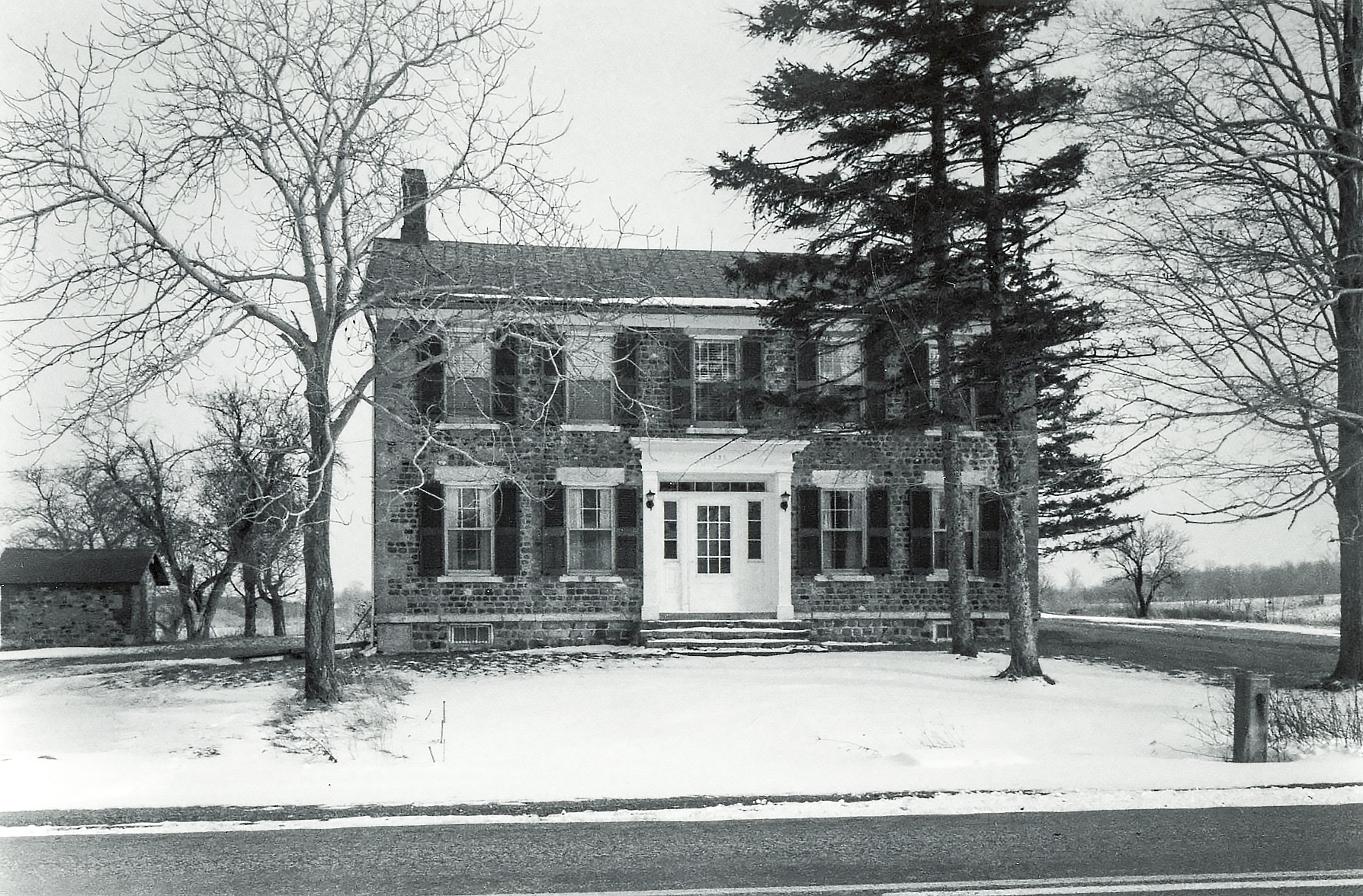 Sta-2 Minor-Trietley 2.jpg ¹ January 1972 W view |  GP Genesee Stafford Sta-2_2 N.jpg ¹ August 1969 NW view | 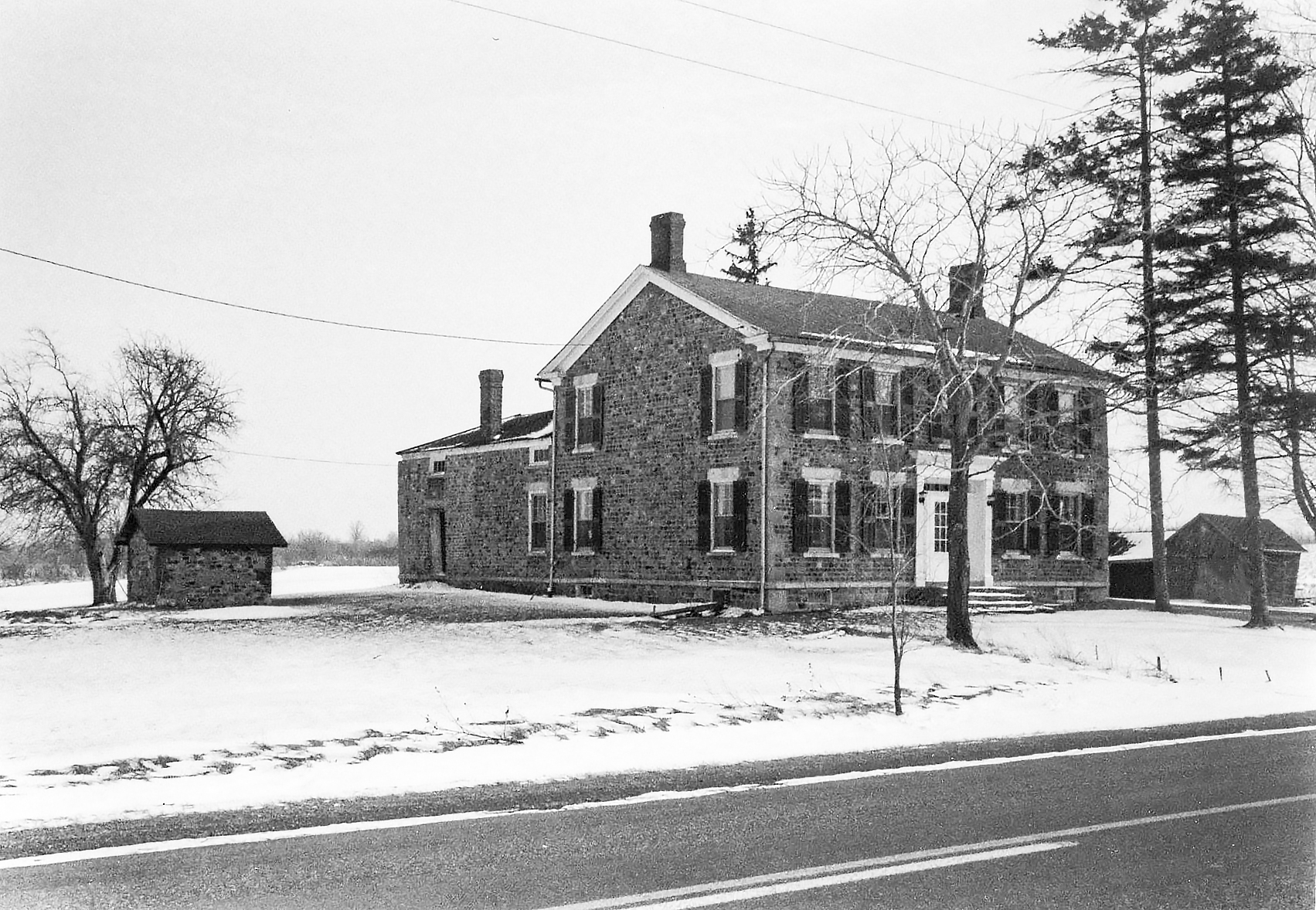 Sta-2 Minor-Trietley 3.jpg ¹ January 1972 NW view |  GP Genesee Stafford Sta-2_1 N.jpg ¹ January 1972 W view |
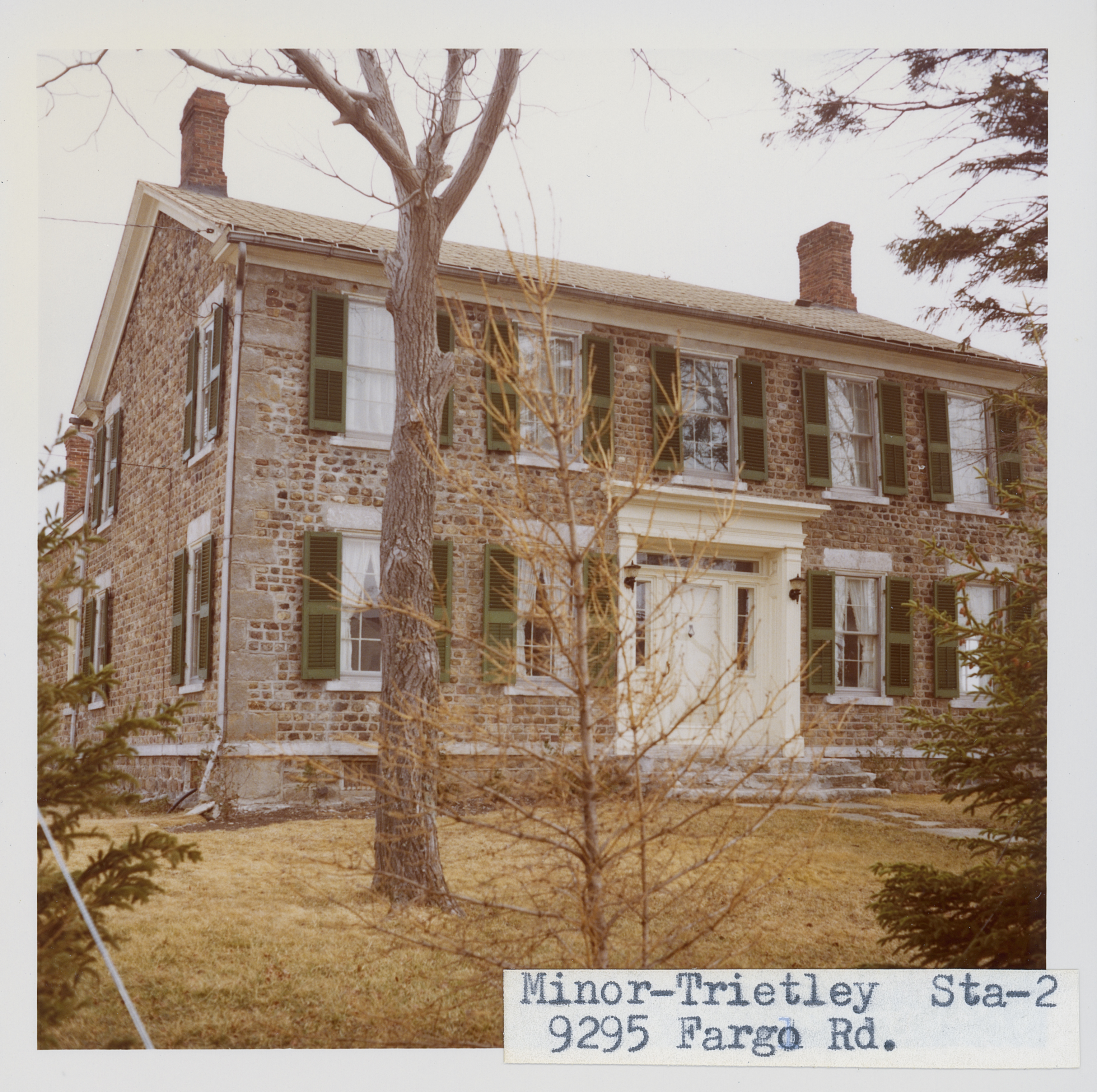 Sta_2_1.jpg | 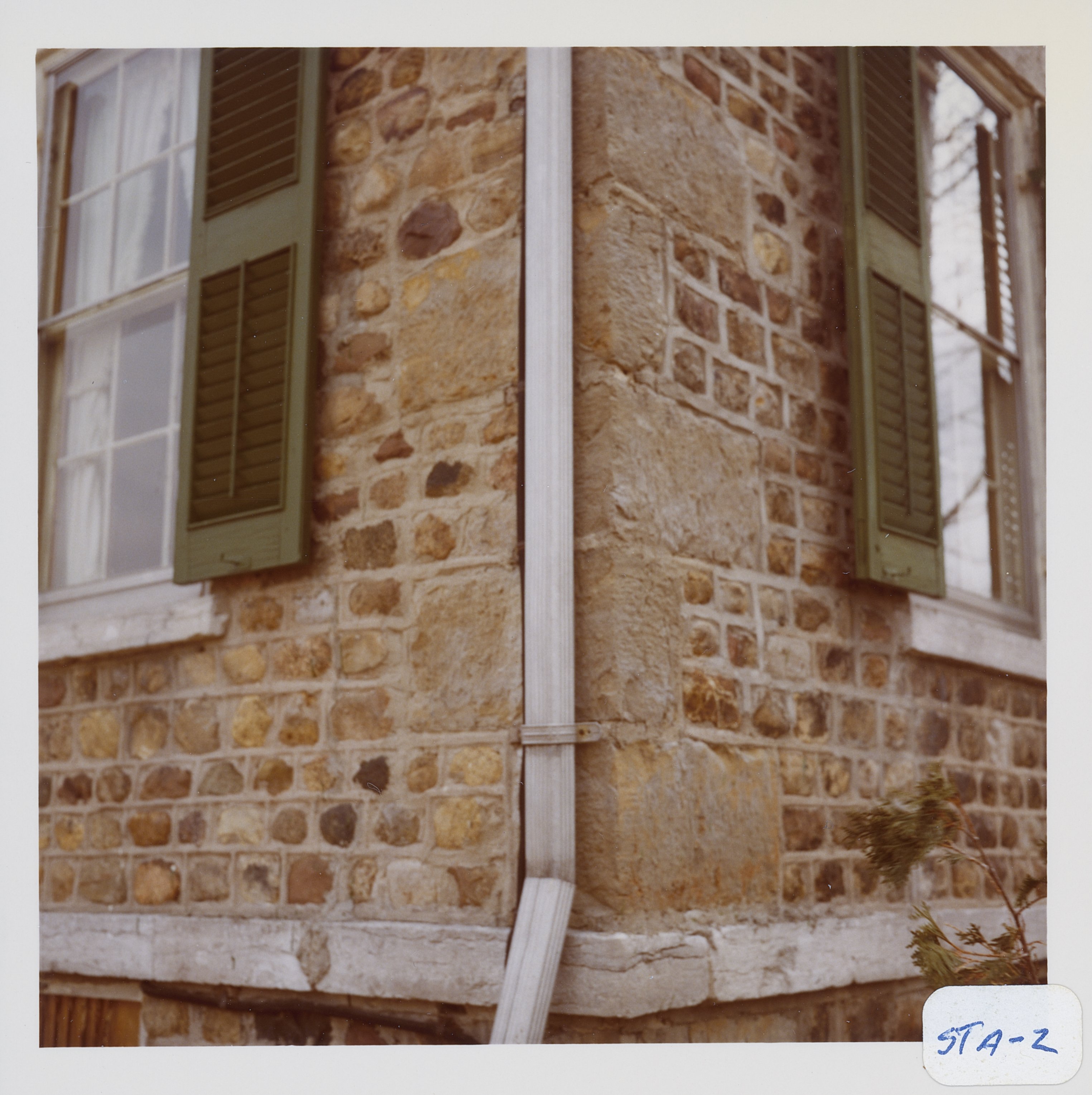 Sta_2_2.jpg | 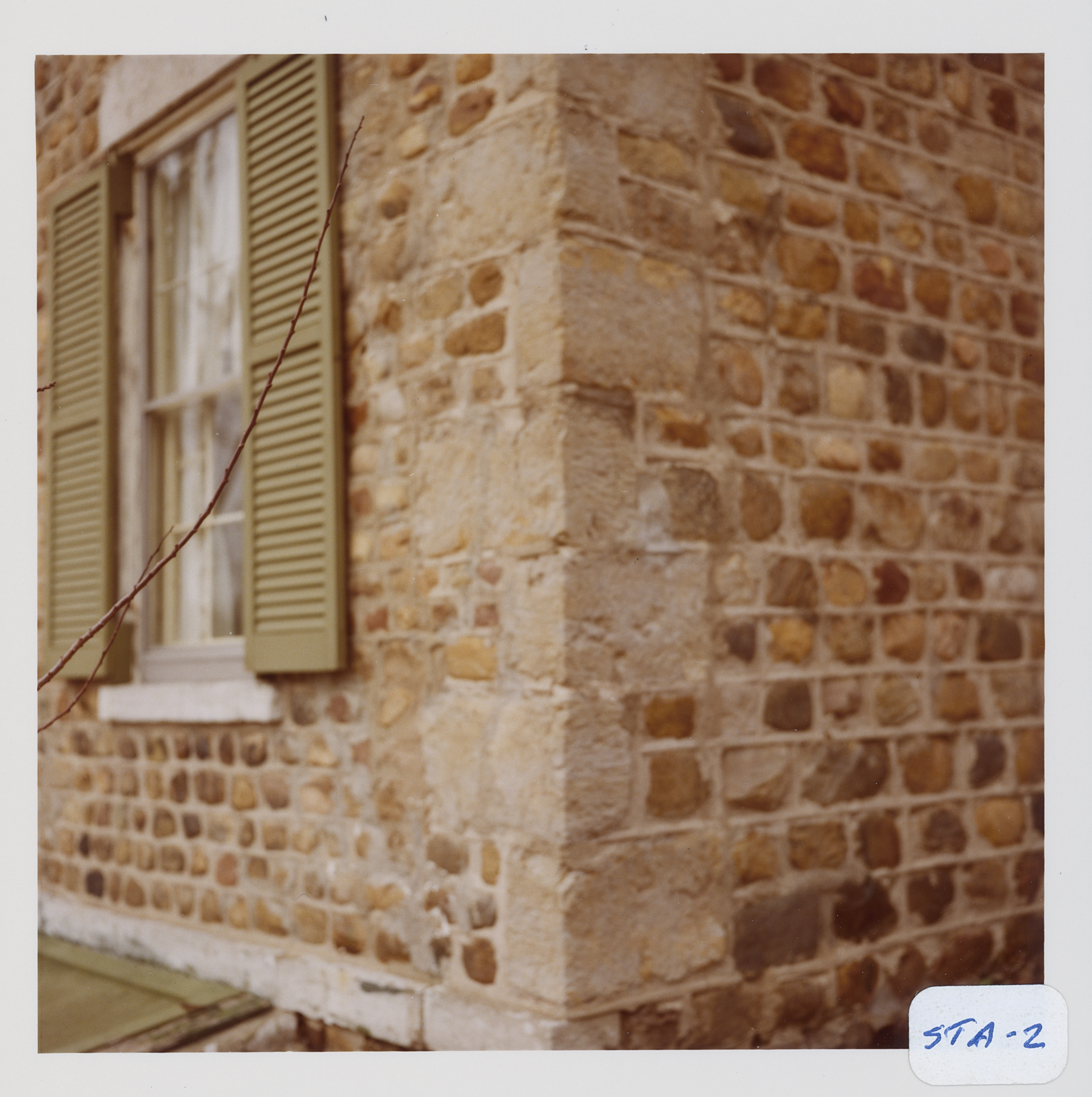 Sta_2_3.jpg | 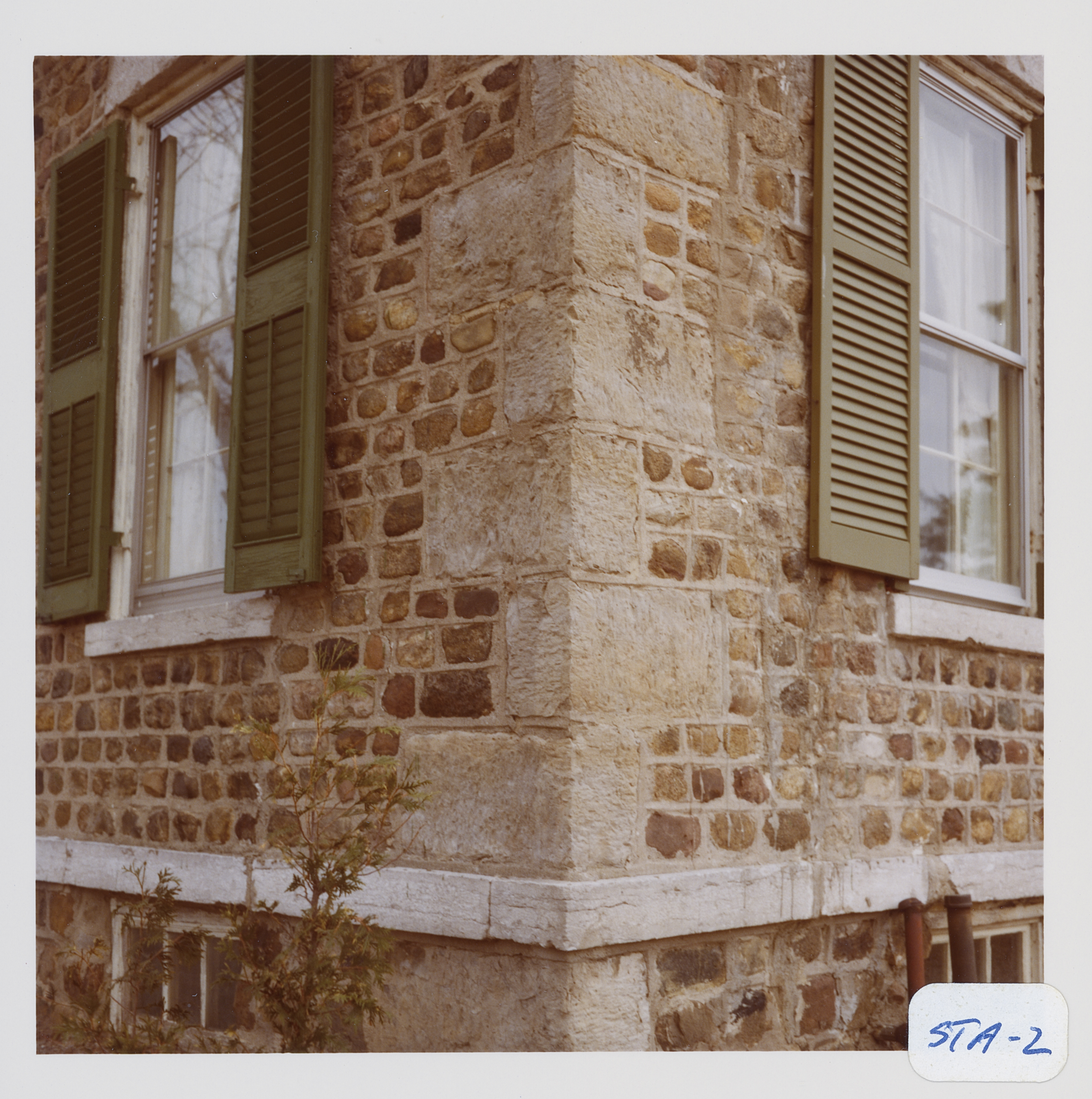 Sta_2_4.jpg |
 Sta_2_5.jpg | 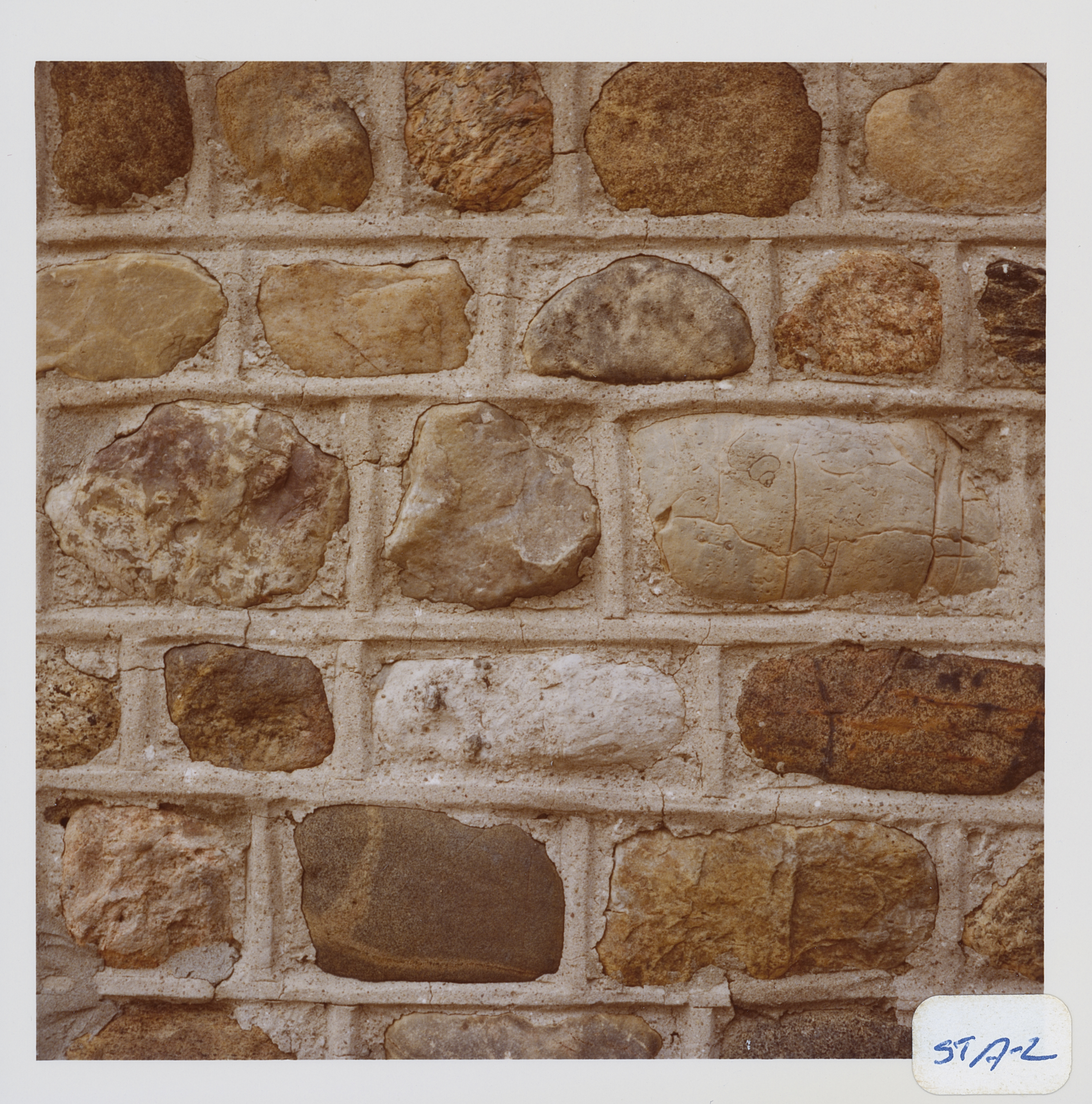 Sta_2_6.jpg | 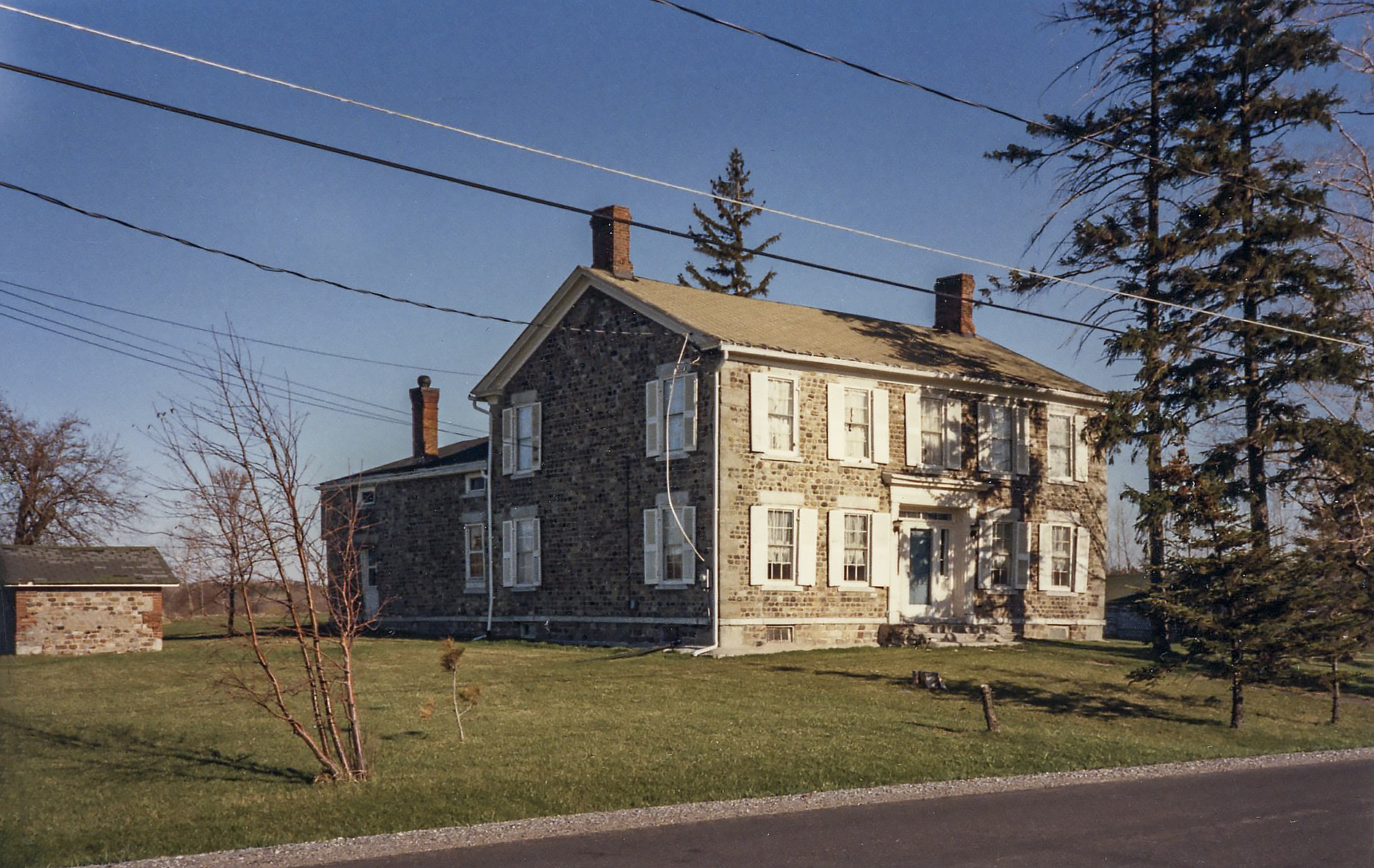 Sta-2 Minor-Trietley 1.jpg ² | 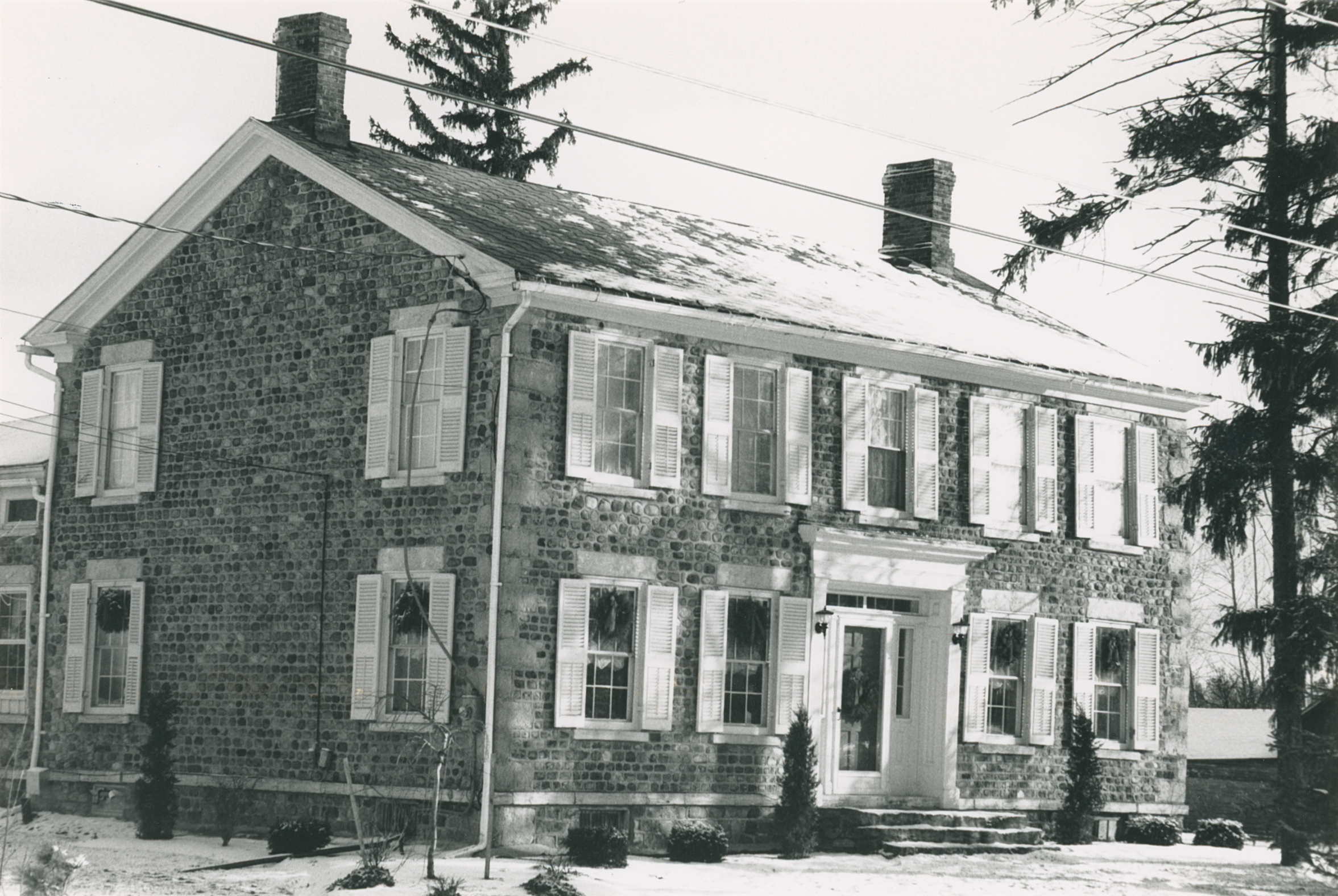 Sta-2, 9295 Fargo Rd 1.jpg ³ |
 Sta-2, 9295 Fargo Rd 2.jpg ³ | 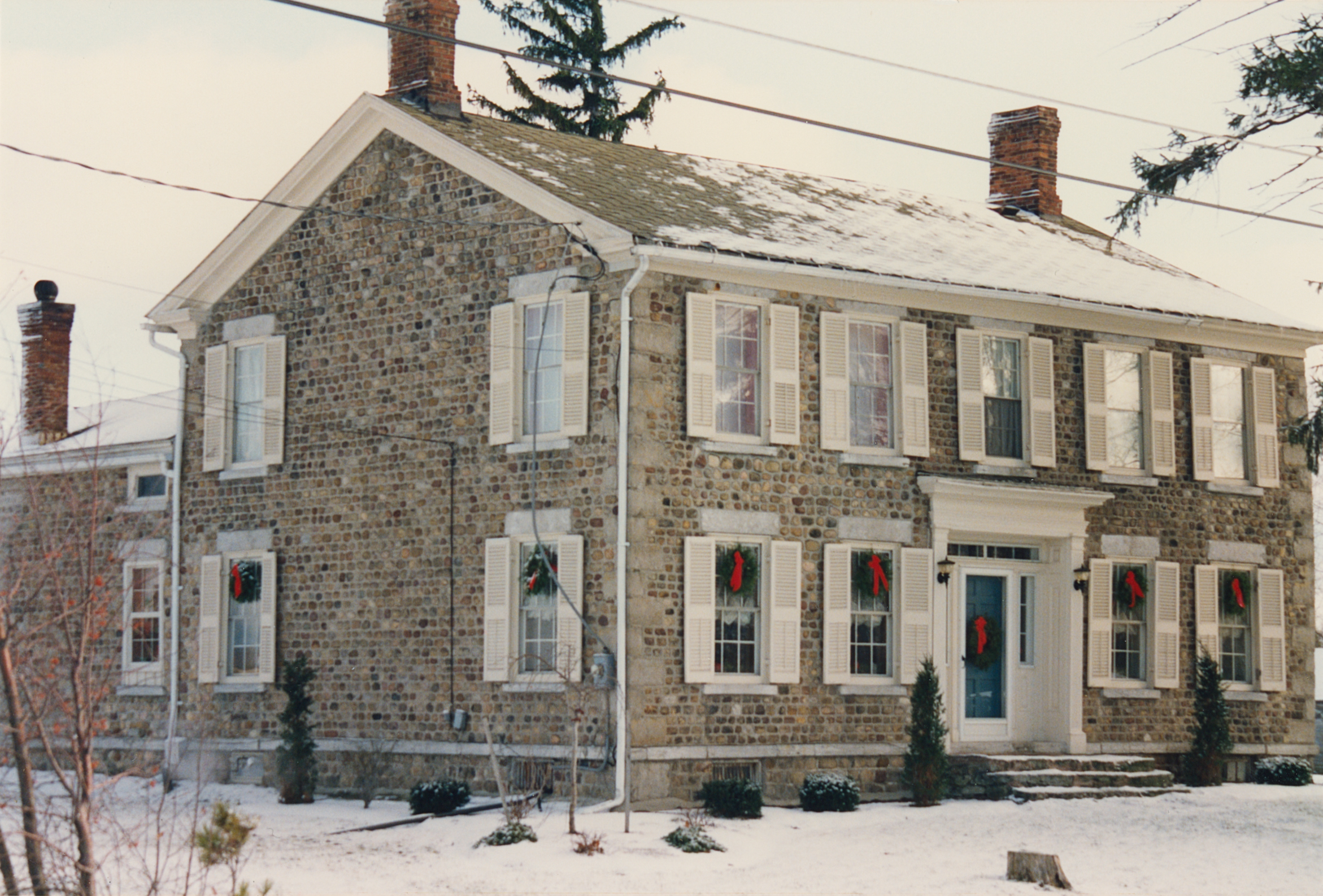 Sta-2, 9295 Fargo Rd 3.jpg ³ | 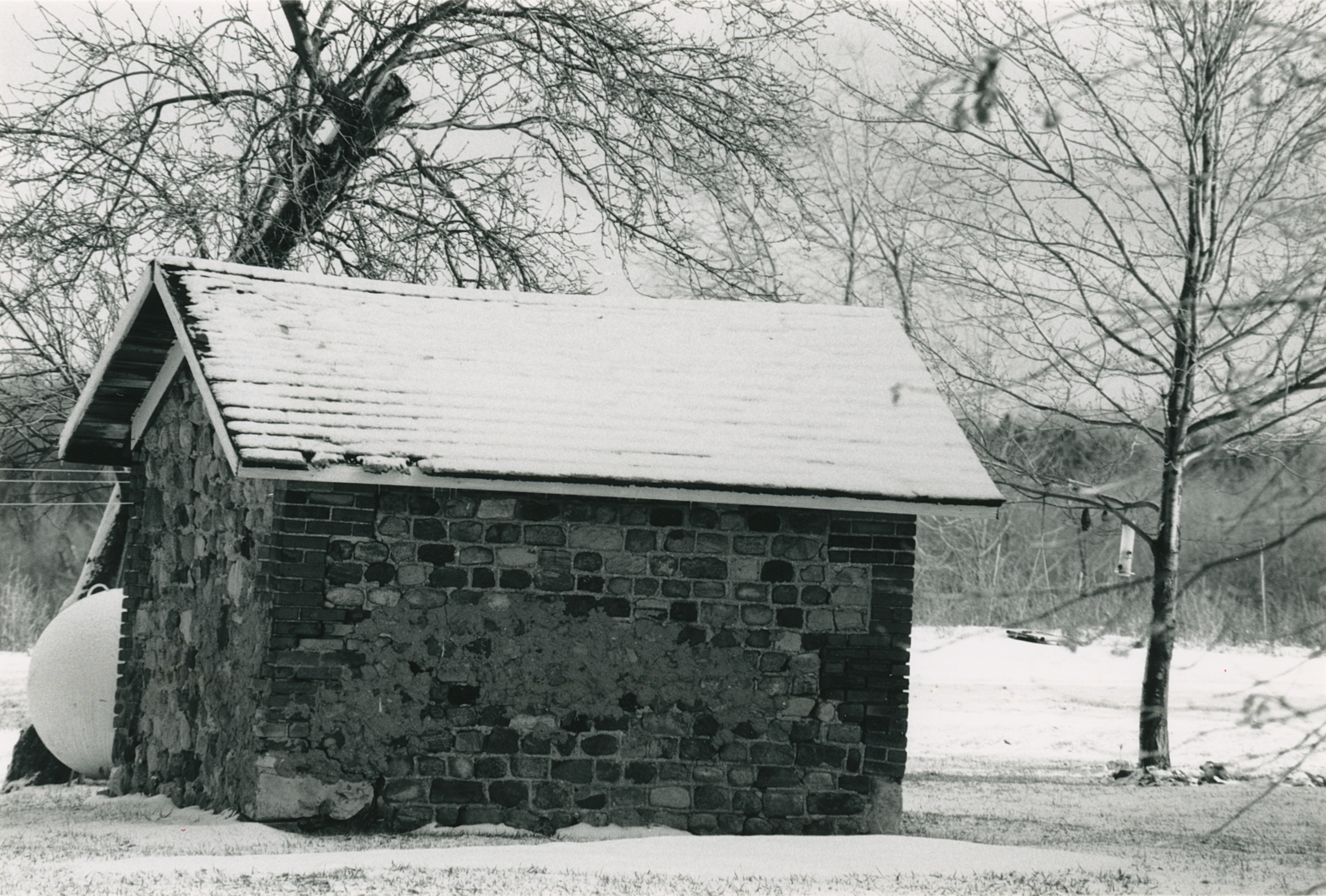 Sta-2, 9295 Fargo Rd 4.jpg ³ Smokehouse | 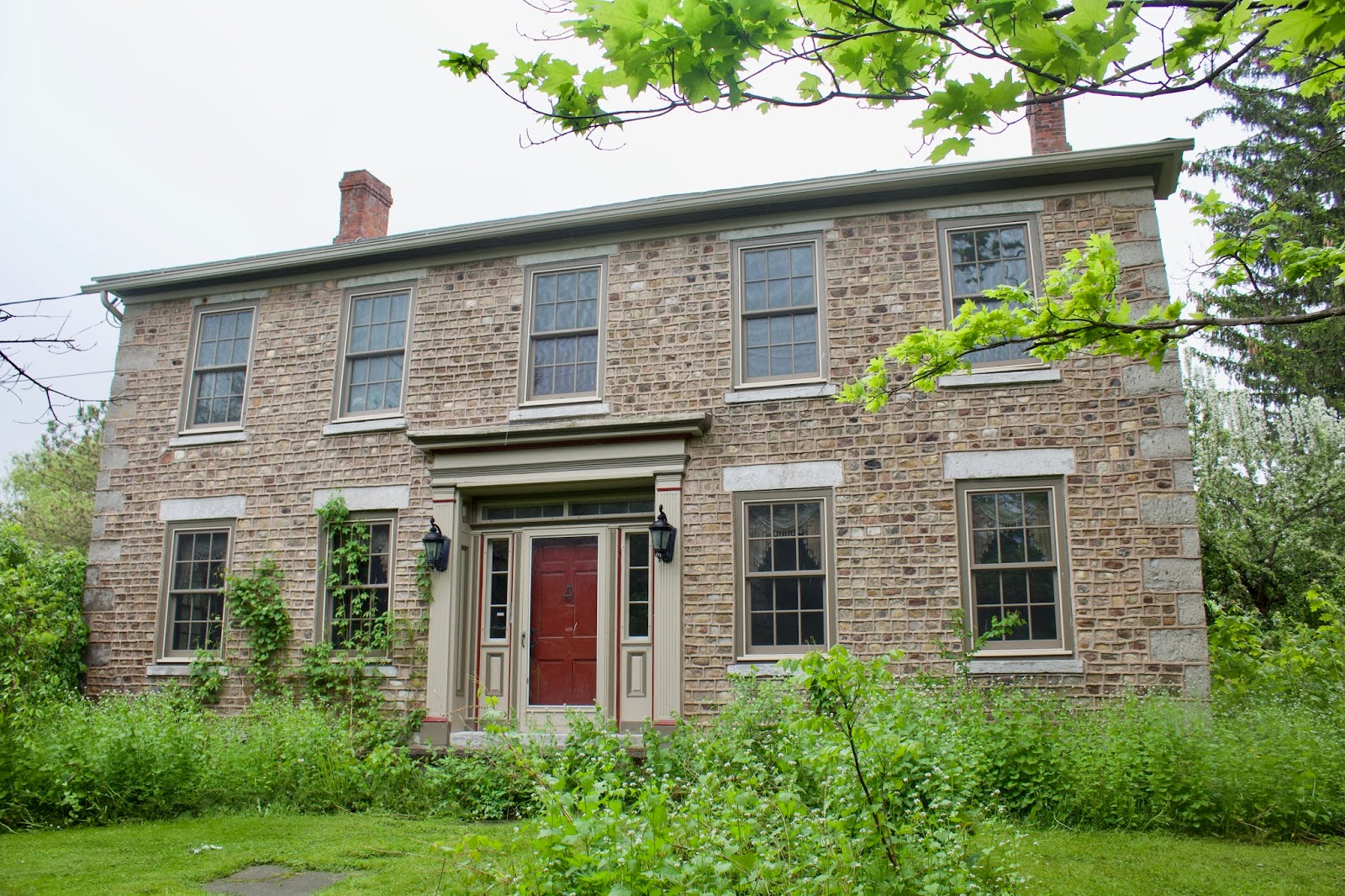 9295 Fargo Road, Stafford.jpg 4 |
 9295 Fargo Road, Stafford 3.jpg 4 | 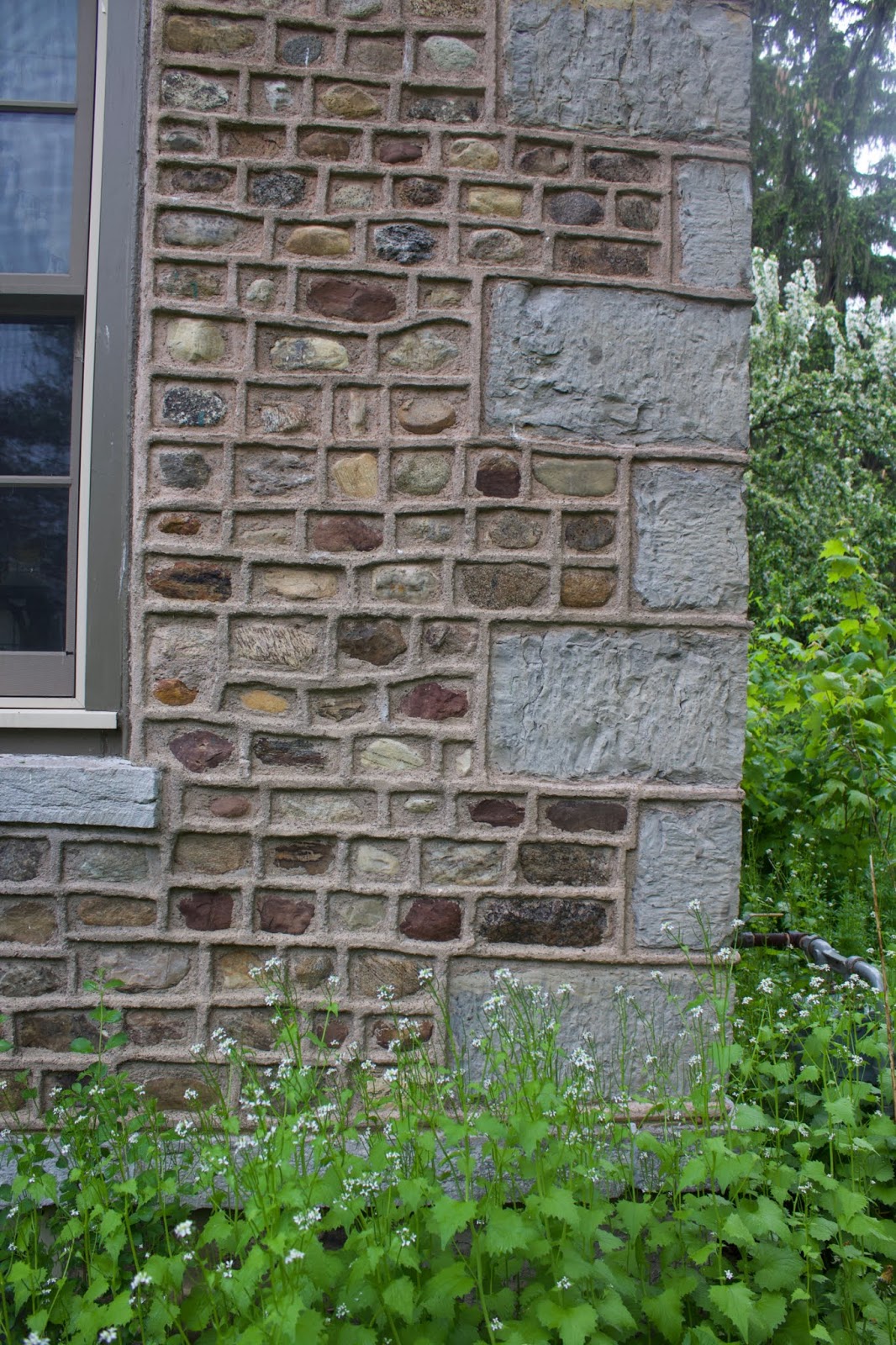 9295 Fargo Road, Stafford 4.jpg 4, 5 See Comments, Additional Information, References |
¹ Photography courtesy Gerda Peterich.
² Image courtesy Cobblestone Museum.
³ Photography courtesy Martin and Sheila Wolfish.
4 Photography courtesy Richard Palmer.
